Callisia: The Ultimate Guide to this Fascinating Plant Species
Are you looking for a plant that’s both beautiful and easy to care for? If so, look no further than Callisia. While not as well-known as other houseplants, Callisia is gaining popularity because of its unique appearance and easy-going nature. This guide will give you everything you need to know about Callisia.
Callisia is a genus of plants in the Commelinaceae family, which includes spiderwort and wandering jew. It’s native to many parts of the world, including the Americas, Asia, and Africa. There are around 20 species of Callisia, all of which are low-growing, herbaceous perennials.
While Callisia is often grown as a houseplant, it can also be used as ground cover in outdoor gardens. Many species have attractive foliage that comes in various shades of green, purple, and pink. Some even have variegated leaves.
In addition to being beautiful, Callisia is also easy to care for. It doesn’t require much attention and can tolerate a wide range of growing conditions.
Without further ado, let's now dive into the different aspects of Callisia:
History and Origins
The Callisia genus was first described by Carl Linnaeus in 1753. The name Callisia comes from the Greek word "kallos," meaning beauty, and refers to the plant's attractive foliage.
Most species of Callisia are native to Central and South America, with some found in Asia and Africa. One of the most popular species, Callisia repens, is known by a variety of common names, including turtle vine, inch plant, and creeping inch plant. It’s believed to have originated in Mexico, but is now found throughout the Americas.
Appearance and Characteristics
Callisia plants are generally low-growing and spreading, with stems that can reach up to 3 feet in length. Some species, such as Callisia fragrans, have a more upright growth habit. The leaves of Callisia are usually small and ovate or lanceolate in shape. They’re often variegated or have a colorful underside.
One of the most unique characteristics of Callisia is its flowers. Unlike other plants in the Commelinaceae family, which have small, inconspicuous blooms, Callisia produces showy, pink or purple flowers that resemble those of a spiderwort.
Varieties
There are around 20 species of Callisia, each with its own unique characteristics. Here are some of the most popular:
- Callisia fragrans: Also known as basket plant, this species has narrow, green leaves and produces small white flowers.
- Callisia elegans: This species has striking purple undersides on its leaves and produces pinkish-purple flowers.
- Callisia repens: As mentioned earlier, this is one of the most popular species. It has small, round leaves that are green on top and purple on the bottom. It produces small, pink flowers.
- Callisia navicularis: This species has long, narrow leaves and produces pink flowers.
Growing Conditions
Callisia is an easy plant to care for and can tolerate a wide range of growing conditions. It prefers bright, indirect light but can also grow in low-light conditions. If you notice the leaves ing to turn yellow, it may be getting too much light.
In terms of soil, Callisia prefers well-draining, slightly acidic soil. You can use a standard potting mix or make your own by mixing equal parts peat moss, perlite, and vermiculite.
Watering Callisia is also easy. It doesn’t require much water and can tolerate periods of drought. Water the plant when the top inch of soil feels dry. Be sure not to overwater, as this can cause root rot.
Propagation
Callisia is easy to propagate through stem cuttings. To do this, take a cutting from the parent plant and remove the lower leaves. Dip the cut end in rooting hormone and plant it in moist soil. Keep the soil moist and place the cutting in bright, indirect light. In a few weeks, you should to see roots forming.
Pests and Diseases
Like most houseplants, Callisia can be susceptible to a few pests and diseases. One of the most common pests is spider mites, which can cause yellowing leaves and webbing on the plant. To get rid of spider mites, wash the plant with a solution of water and dish soap. You can also use neem oil or insecticidal soap.
Another common pest is mealybugs, which can cause a white, powdery substance to appear on the plant. To get rid of mealybugs, wipe the plant down with a cotton swab dipped in rubbing alcohol.
In terms of diseases, root rot can be a problem if the plant is overwatered. To prevent root rot, be sure to let the soil dry out between waterings.
Benefits of Callisia
While Callisia is primarily grown for its beauty, it also has some health benefits. Some studies have shown that certain species of Callisia, including Callisia fragrans, have antibacterial properties. The plant may also help to purify the air in your home by removing toxins such as formaldehyde and benzene.
If you’re looking for a beautiful, low-maintenance plant, consider Callisia. With its unique appearance and easy-going nature, it’s a great choice for both indoor and outdoor gardens. Whether you’re an experienced gardener or just ing out, Callisia is a great choice.
FAQs
Q1: Is Callisia a succulent?
No, Callisia is not a succulent. While it can store water in its leaves, it’s not adapted to arid environments like succulents are.
Q2: Can Callisia be grown outdoors?
Yes, some species of Callisia can be grown outdoors as ground cover. However, they prefer warm, humid climates and may not do well in colder regions.
Q3: How often should I water my Callisia plant?
Water your Callisia plant when the top inch of soil feels dry. This will vary depending on the humidity and temperature of your home.
Q4: Can Callisia be grown in low-light conditions?
Yes, Callisia can tolerate low-light conditions. However, it will grow more slowly and may not produce as many blooms.
Q5: Does Callisia have any medicinal properties?
Some studies have shown that certain species of Callisia have antibacterial properties. However, more research is needed to determine their medicinal uses.
Q6: Can Callisia be propagated from seed?
While it’s possible to propagate Callisia from seed, it’s much easier to do so from stem cuttings.
Q7: How tall does Callisia grow?
Callisia plants are generally low-growing and spreading, with stems that can reach up to 3 feet in length.
Q8: What pests and diseases are common in Callisia plants?
Common pests include spider mites and mealybugs. Root rot can also be a problem if the plant is overwatered.
Q9: How often should I fertilize my Callisia plant?
Fertilize your Callisia plant every two weeks during the growing season (spring and summer) with a balanced fertilizer.
Q10: Can Callisia be grown in a hanging basket?
Yes, Callisia is a great choice for a hanging basket due to its trailing growth habit.
10 Callisia Images

Callisia Repens Variegata Cuttings Sunnyplantscom House Plants

Callisia Fragrans Variegata

Callisia Elegans I Finally Figured Out The Name For My Plant Plants

Pin On Garden Plants

Callisia Repens Kamerplanten Potgrond Planten

Callisia Fragrans Holistic Medicinal Plant Plants Medicinal Plants
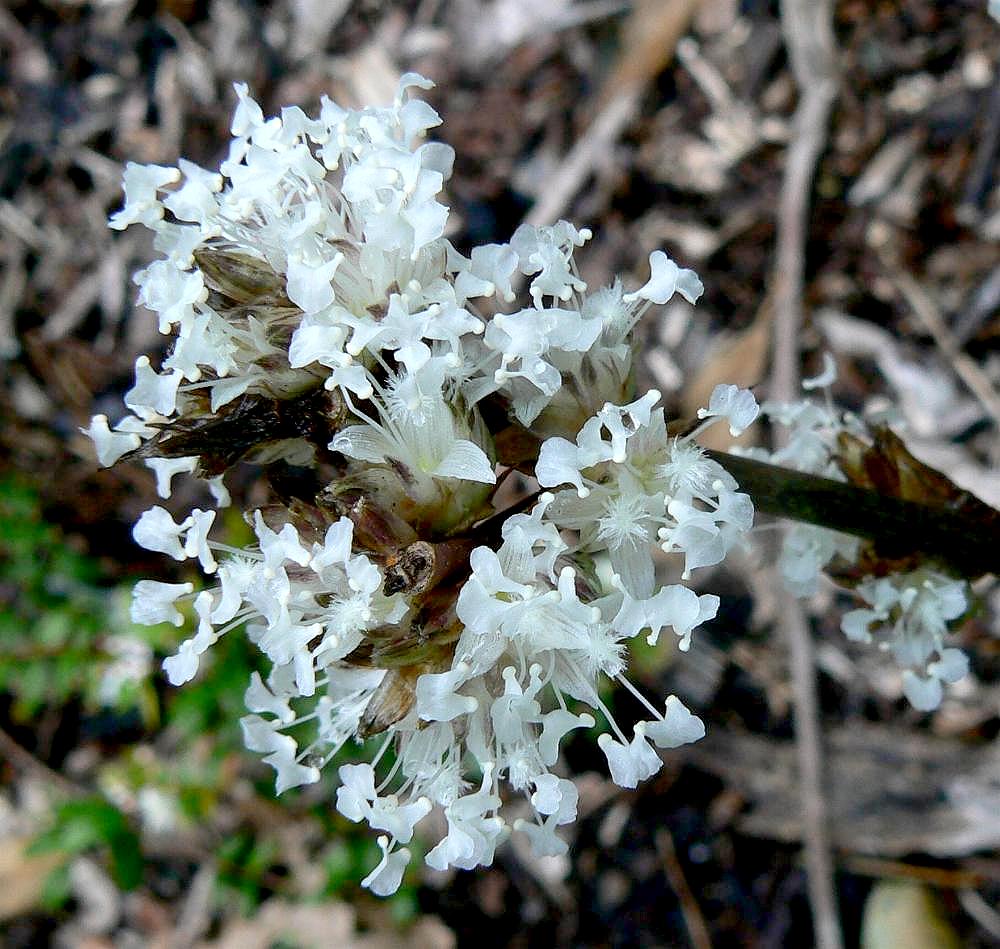
Callisiafragransjpg 1000949 Plants Color Earth

Callisia Multifloraleaves Have A Felt Quality To Them Plants Garden

Callisia Repens Bolivian Jew Houseplants Pinterest

2016
Posting Komentar untuk "Callisia: The Ultimate Guide to this Fascinating Plant Species"